
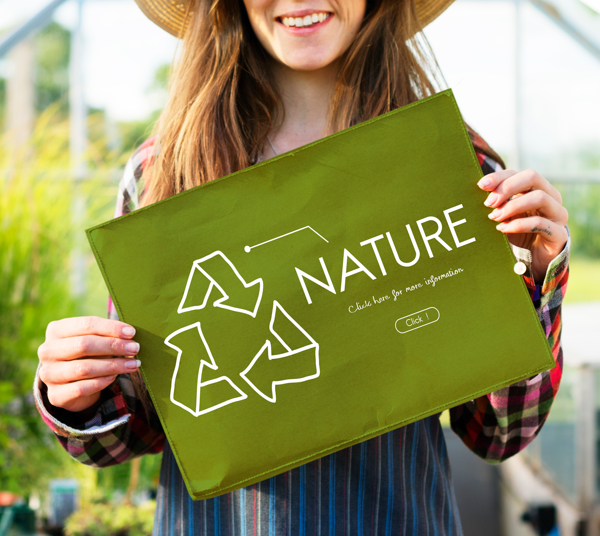
In an era of rapid change, a brand’s identity is no longer defined by logos or colors alone, it’s a reflection of its values, purpose, and the story it shares with the world. Consumers are increasingly looking for authenticity, and responsibility from the brands they support. Sustainability is no longer an optional add-on; it’s a core expectation. As a result, brands across industries are rethinking how they present themselves, rewriting their identities to align with a greener, purpose-driven future.
Why Sustainability is Shaping Modern Rebrands?
There are multiple forces driving this shift. Environmental awareness has surged in recent years, fuelled by climate change discussions, social media campaigns, and a younger generation that values ethics as much as aesthetics. Brands that fail to adapt risk appearing outdated, out of touch, or even irresponsible. Rebranding with a sustainability focus allows companies to:
- Signal alignment with eco-conscious values
- Appeal to a growing segment of environmentally aware consumers
- Demonstrate long-term relevance in a competitive market
- Differentiate themselves from competitors who are slow to adapt
For public relations teams, this transformation provides a rich storytelling opportunity. A rebrand with a green narrative doesn’t just update visual elements, it communicates a shift in ethos that resonates with stakeholders, investors, and audiences alike.
Examples of Green Rebrands in Action
Several high-profile brands have successfully leveraged sustainability as the centerpiece of their rebranding strategies.
- Patagonia has long embodied environmental responsibility, but its recent campaigns and product lines highlight circular economy practices, promoting repair and reuse instead of new consumption. Their rebrand reinforces their identity as more than an outdoor apparel company, it’s an environmental advocate.
- IKEA has embraced circularity and renewable energy in both its operations and brand messaging. Its visual campaigns now emphasize eco-friendly materials and sustainable home solutions, subtly reshaping how consumers perceive the brand.
- Even consumer goods brands like Unilever’s Dove and Ben & Jerry’s have used packaging redesigns, sustainable sourcing, and purpose-driven messaging to signal their commitment to a greener world, proving that even legacy brands can evolve without losing identity.
These examples illustrate a critical trend: sustainability-focused rebrands are not just cosmetic—they’re strategic. They create a bridge between corporate responsibility and consumer engagement.
How PR Shapes the Green Rebrand?
Public relations plays a pivotal role in a sustainability-focused rebrand. A green rebrand is only as successful as the story that reaches the public with the right storytelling. PR teams can:
- Craft narratives highlighting environmental initiatives
- Generate stories based on facts around product innovations and eco-friendly practices
- Leverage social media to engage eco-conscious audiences and encourage to support the cause
- Build partnerships with influencers and organizations aligned with sustainability
The key is authenticity. Consumers are quick to detect “greenwashing,” so brands must ensure that their visual rebrand is matched by meaningful actions behind the scenes.
The Future of Purpose-Driven Branding
As the market continues to evolve, sustainability will become less of a differentiator and more of a baseline expectation. Brands that embrace green rebranding today are setting themselves up as industry leaders for tomorrow. The purpose behind rebranding is not only look good but also do good, weaving environmental responsibility into every aspect of their identity.
Rewriting a brand’s identity for a greener future is about more than aesthetics, it’s a strategic move that combines ethical responsibility with market relevance. Brands that successfully navigate this journey build stronger consumer trust, differentiate themselves in a crowded landscape, and ultimately contribute to a more sustainable world.