
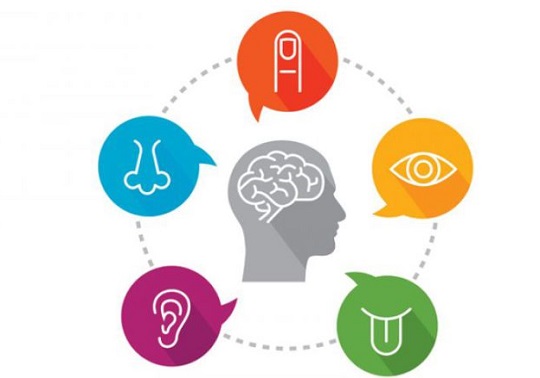
In today’s cluttered digital landscape, brands are constantly competing for attention. While visual and verbal messaging still play a crucial role, there’s a deeper, more powerful way to create lasting impressions — sensory marketing. By appealing to the five senses, brands can trigger emotions, evoke memories, and build stronger, more authentic connections with their audiences.
What is Sensory Marketing?
Sensory marketing is a strategy that engages one or more of the human senses — sight, sound, touch, taste, and smell — to influence consumer perception and behaviour. Instead of relying solely on visuals or words, sensory marketing taps into the subconscious, turning brand experiences into something customers can feel and remember.
Whether it’s the crisp sound of opening a Coca-Cola can, the luxurious texture of an Apple product, or the inviting aroma of a Starbucks coffee shop — these sensory triggers are not accidental. They’re carefully designed experiences that drive brand loyalty and emotional resonance.
The Science Behind the Senses
Human emotions and memories are strongly tied to sensory cues. Studies show that 75% of our emotions are generated through what we smell, touch, taste, hear, or see. When brands engage multiple senses simultaneously, it increases their chances of being remembered. This is why sensory marketing isn’t just creative — it’s scientific.
For instance, the sense of smell has a direct pathway to the brain’s memory and emotion centers. A pleasant scent in a retail store can make customers linger longer and feel more positively toward the brand. Similarly, sound — whether through a brand jingle or in-store music — can influence mood, pacing, and even purchase decisions.
Examples of Sensory Branding Done Right
- Apple – Every element of Apple’s retail experience, from the sleek packaging to the soft lighting and the distinct “click” of its devices, reinforces its premium, minimalist identity.
- Starbucks – The consistent aroma of freshly brewed coffee, combined with its cozy lighting and calming background music, turns a coffee run into an experience.
- Singapore Airlines – The brand developed its own signature scent, “Stefan Floridian Waters,” used in cabins and hot towels, subtly reminding passengers of luxury and comfort.
These brands have mastered the art of making customers feel something, ensuring that every interaction, however small, strengthens the emotional bond.
Applying Sensory Marketing in the Digital Age
While sensory experiences might sound more suited to physical spaces, they are increasingly relevant in digital and hybrid environments too.
- Visuals: Brands can use color psychology, high-quality imagery, and immersive videos to create visual consistency and emotional impact.
- Sound: Podcasts, video content, and sonic logos (like Netflix’s iconic ta-dum) help build audio recognition.
- Tactile cues: Packaging, unboxing experiences, and even haptic feedback on apps can enhance the sense of touch.
For brands in hospitality, F&B, retail, or even technology, sensory elements can be woven into campaigns to amplify emotional connection and recall.
Why It Works
At its core, sensory marketing works because it goes beyond rational communication. Consumers might forget slogans, but they rarely forget how a brand made them feel. By engaging the senses, brands can differentiate themselves in markets overflowing with visual noise. It’s not just about selling a product — it’s about creating a memorable experience.
In a world where attention spans are shrinking, brands that appeal to the senses stand out. Sensory marketing is not just a trend; it’s a reminder that humans are emotional, sensory beings. The more immersive and authentic the experience, the stronger the brand connection becomes.
For marketers, it’s time to ask — what does your brand sound like, smell like, or even feel like?